
Young survivor of violence in Morocco:
»It takes courage to ask for psychological support«
In the Moroccan city of Fez, psychosocial support is helping young people rebuild their lives after violence. A nationwide alliance of youth organisations, doctors, psychologists and researchers is now working to ensure that vulnerable youth across Morocco can access the psychosocial support they need.
»We are tired. And we have had enough«
These words are repeated and again when Rihab Meziaty speaks with young people in Fez, one of Morocco’s oldest and largest cities. As director of the civil society organisation Citoyen De Rue (CDR), she and her colleagues work to prevent violence and provide psychosocial support to vulnerable young people in the city.
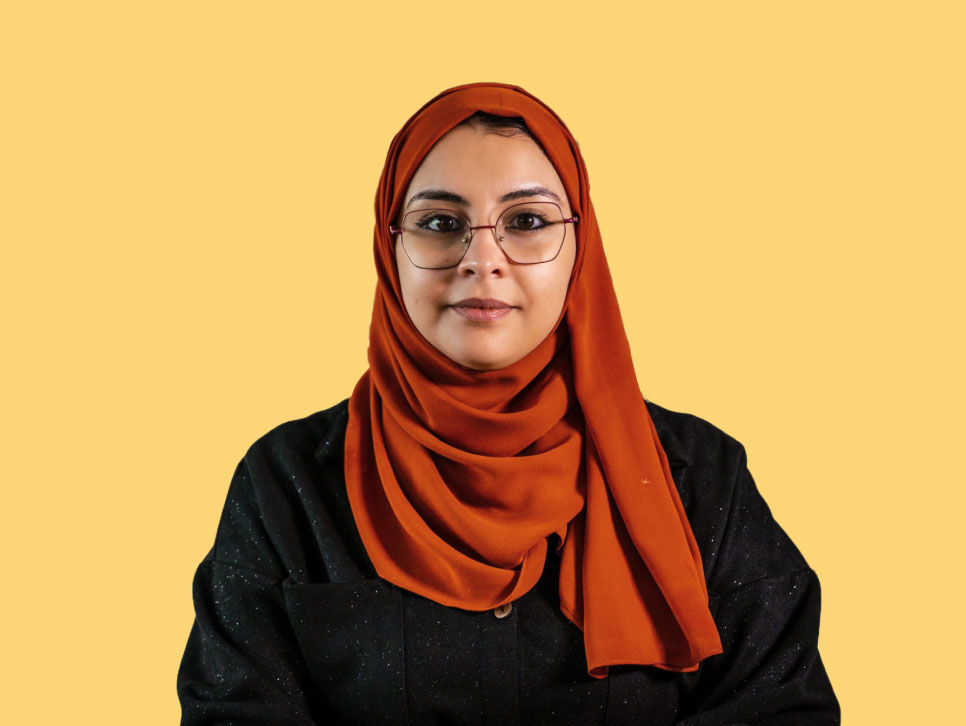
Rihab Meziaty, Director of the civil society organisation Citoyen De Rue (CDR).
Every day, she meets young people who live with violence, stigma and social exclusion, in the environment that shapes their daily lives.
»Violence works like a slow poison on the mind. It does not only harm the body, but it also erodes young people’s sense of self-worth. When they are constantly met with hostility in the streets or contempt from institutions, they lose the ability to imagine a future. Dreams of education and employment are replaced by mere survival, and trust in others begins to disappear«, Rihab Meziaty explains, adding that the narrative surrounding Fez itself has been shifting for years.
The thousand-year-old city — long celebrated across generations as a centre of knowledge and learning — now appears, according to the director, far too often in the media as a backdrop for crime.
»Young people see their city reduced to crime stories and themselves reduced to potential offenders. ‘How can we dream of getting an education when the world only sees us as future criminals?’ a young man asked me recently«, she says.
Insecurity
Many of the young people Rihab Meziaty meets struggle with chronic anxiety and a constant sense of insecurity. For some, withdrawal becomes a way of coping. They retreat physically and emotionally to shield themselves from a reality that feels overwhelming and unsafe.
»The sense of hopelessness can become so pervasive that, for some young people, violence appears to be the only language they believe will be heard«, she explains. This creates a vicious cycle in which inner pain is expressed as outward chaos, which reinforces the city’s reputation as a dangerous place.
Rihab Meziaty emphasises that it is precisely at the intersection of violence, marginalisation and psychological distress that the need for psychosocial support is greatest.
This is also why CDR’s staff have received training from DIGNITY in Psychological First Aid (PFA).
»It is an entry point, not an end point. If violence is to be prevented in the long term, the structural drivers must also be addressed. This is unemployment, inadequate urban planning, and the lack of cultural and social spaces«
When Psychological First Aid works, she explains, it is first and foremost because young people are offered an immediate space of safety. When a young person experience — perhaps for the first time — being listened to without judgment, met with support, and referred to appropriate professional services, a significant shift can occur.
»It is often the beginning of rebuilding«, Rihab Meziaty says, while cautioning against viewing Psychological First Aid as a solution in itself:
»It is an entry point, not an end point. If violence is to be prevented in the long term, the structural drivers must also be addressed. This is unemployment, inadequate urban planning, and the lack of cultural and social spaces«.
Stronger together
The challenges Rihab Meziaty describes in Fez do not stop at the city’s borders. They reflect a broader reality facing youth across much of Morocco.
In late September and early October 2025, thousands of young people took to the streets in protests across the country. The demonstrations were driven by frustration over unemployment, pressure on the education system, and a lack of social and economic prospects.
Today, roughly one in three young people in Morocco is unemployed. This frustration is also reflected in a growing desire to leave the country. According to a June 2025 Afrobarometer report, more than one in four young people (28%) say they have seriously considered emigrating — up from 20% in 2017. The desire is primarily driven by economic concerns.
The country is also facing significant mental health challenges. Minister of Health Amine El Tahraoui has announced that the government is currently developing a national strategy on mental health and wellbeing.
A nationwide school survey conducted in 2023 found that nearly half (44.7%) of Moroccan upper secondary students aged 12–20 reported symptoms of depression.
DIGNITY study involving 100 young people aged 17–26 in Morocco also highlights the link between psychological distress and violence.
More than half of the respondents report low levels of mental wellbeing, and three out of four show signs of depression. Nearly two thirds say they have been exposed to physical, psychological or verbal violence.
Half of the young women report having experienced gender-based violence, while half of the young men acknowledge having perpetrated violence against others. Many know someone who has died by suicide, and two out of three consider suicide to be a growing societal problem.
A new alliance
The psychosocial challenges affect a broad group of young people, prompting more actors to engage in efforts to support those impacted by violence.
Therefore, a group of organisations, researchers, and health professionals came together to form a coalition aimed at raising mental health higher on the national agenda and reaching more young people affected by violence.
This collaboration led to the creation of the Al Amal Coalition — Morocco’s first national alliance for Mental Health and Psychosocial Support (MHPSS).
Al Amal Coalition
Who is the Al Amal Coalition?
The Al Amal Coalition (Coalition of Hope) is a national partnership working to strengthen mental health in Morocco.
The coalition, which is supported by DIGNITY, brings together civil society organisations, health professionals, researchers and public authorities to improve access to treatment, prevention and awareness related to mental health conditions.
The coalition was established in response to significant gaps in the country’s mental health system including shortages of trained personnel, unequal access to care and widespread stigma.
The partnership was initiated by the NGO Association Marocaine De Planification Familiale (AMPF) with support from DIGNITY.
For DIGNITY’s Country Director in Morocco, Amal El Karouaoui, the initiative is about breaking cycles of trauma and about ensuring that people who have experienced violence receive the Psychological First Aid and follow-up support they often lack.
»The long-term goal is to strengthen access to Mental Health and Psychosocial Support (MHPSS) — particularly for young people and minority groups who have been exposed to violence. Early psychosocial support is essential. Through counselling and community-based support, survivors of violence and torture can begin to rebuild their lives and be referred to appropriate specialised services«, she explains.
DIGNITY’s work in Morocco
DIGNITY’s partnership with Moroccan organizations focuses on building local knowledge, skills, and systems, enabling partners to identify and support people affected by violence. The program is built around three key components:
Trauma-informed approaches
Workshops that strengthen understanding of how trauma affects individuals and organizations.
Staff well-being
A focus on preventing secondary traumatization among staff and volunteers.
Psychological First Aid (PFA
Training on how to provide initial psychological support to people in crisis and how to establish local referral pathways for further assistance.
Improving access to mental health care
How did the idea of bringing all these actors together around the same table emerge?
The answer can be found at AMPF’s headquarters in central Rabat. Here we meet Mohamed Bensahli, the founder and coordinator of the coalition.
As the need for stronger attention to mental health in Morocco has grown, it has become increasingly clear, Mohamed Bensahli explains, that this is not a task any single civil society organisation or public authority can address alone.
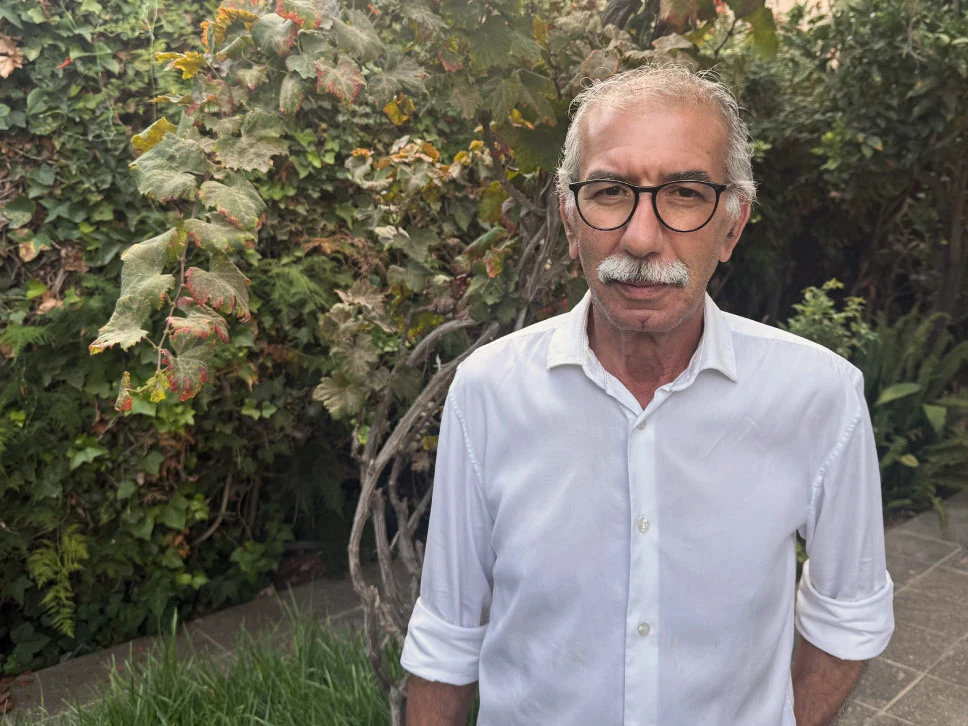
Mohamed Bensahli, founder and coordinator of the Al Amal Coalition.
»It is about equipping frontline workers to identify and support people facing mental health challenges and to ensure they can access appropriate care«, he says.
A generation in distress
One of the coalition’s primary focus areas is youth mental health in Morocco. Psychological distress among young people is widespread, and far too many suffer in silence, says AMPF’s president, Khadija Ghalim. As a former teacher and school principal, she brings particular insight into the realities facing young people struggling with mental health challenges.
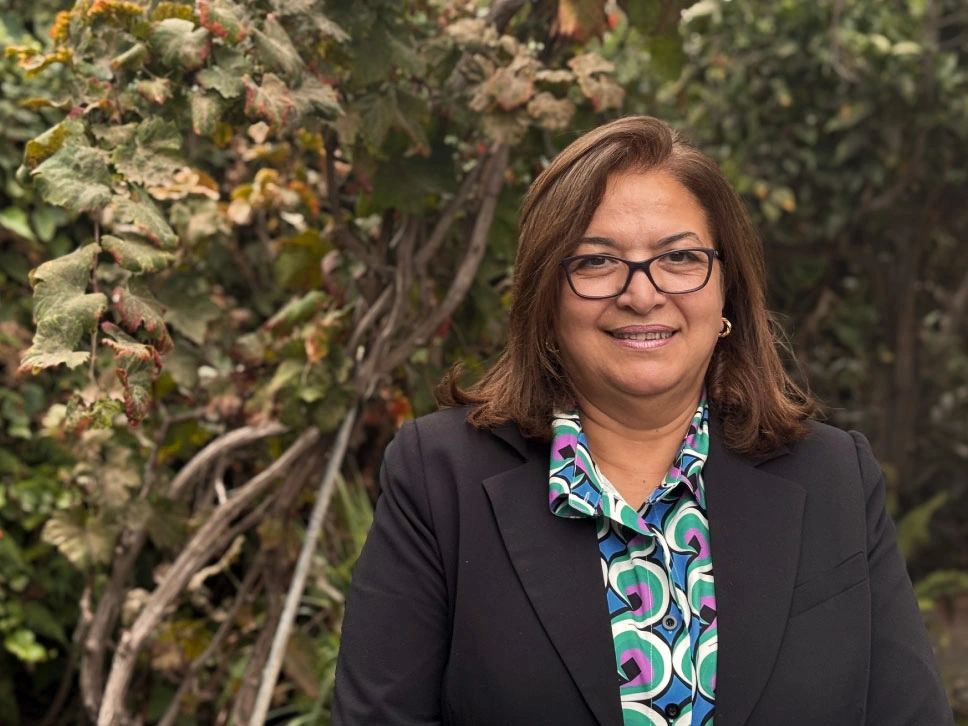
Khadija Ghalim, AMPF’s president and former teacher and school principal.
Many of the young people who approach AMPF live under intense psychological pressure shaped by stress, violence, substance abuse, poverty, high youth unemployment and strong social expectations, Khadija Ghalim explains.
Despite these pressures, many Moroccan young people find it difficult to ask for help.
»Social and economic insecurity amplifies these problems. When combined with family conflict or domestic violence, the consequences for young people’s mental wellbeing can be severe«
According to Intissar Errouydy, who works with the youth organisation Jeunes Pour Jeunes — a member of the coalition — there are clear reasons why.
»Stigma remains strong. Many feel weak if they speak about mental health. In some areas, especially rural or economically marginalised communities, services simply do not exist. And many young people do not know where to turn or how to articulate what they are feeling«, Intissar Errouydy says.
Her organisation works, among others, with young people who have been deprived of their liberty and who need psychological support to reintegrate into society.
She stresses the importance of youth organisations being represented in the coalition:
»Young people experience these challenges directly. They know what they need, and their ideas help shape solutions that actually work«.
Intissar Errouydy notes that although stigma around mental health challenges remains significant, she is seeing gradual change:
»Young people are beginning to speak more openly about mental health in schools, youth centres and even online. The stigma has not disappeared, but we are witnessing real progress«.
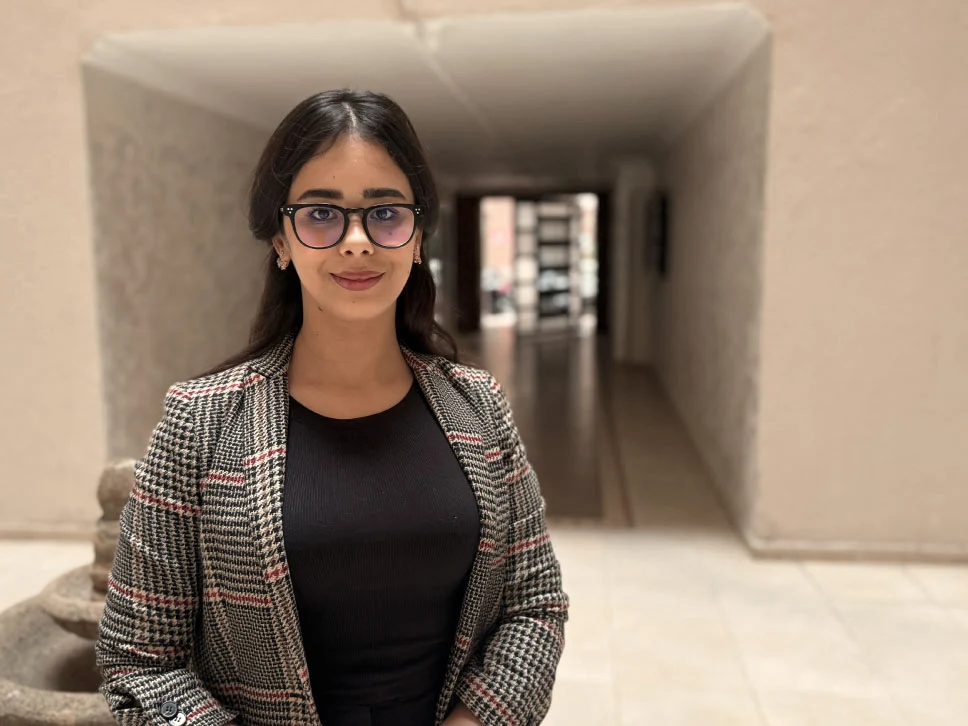
Intissar Errouydy works with the youth organisation Jeunes Pour Jeunes and is a member of the coalition.
Unity creates strength
According to public health professor Dr. Hayate Koubri , who is also a member of the alliance, at least three key factors underline the psychological challenges young people face in the wake of violence and poverty.
»First, many young people lack safe spaces where they can be heard and understood. Second, existing services are limited and unevenly distributed between urban and rural areas and often not tailored to young people’s needs. Third, there is a significant shortage of professionals with specialised mental health expertise«, says Dr. Hayate Koubri.
»I dream of a society where seeking psychological support is as natural as seeing a doctor for a broken arm«
She highlights that the psychological challenges experienced by, for example, university students differ from those faced by young people outside the education system or those living in rural areas.
»Social and economic insecurity amplifies these problems. When combined with family conflict or domestic violence, the consequences for young people’s mental wellbeing can be severe«, she explains
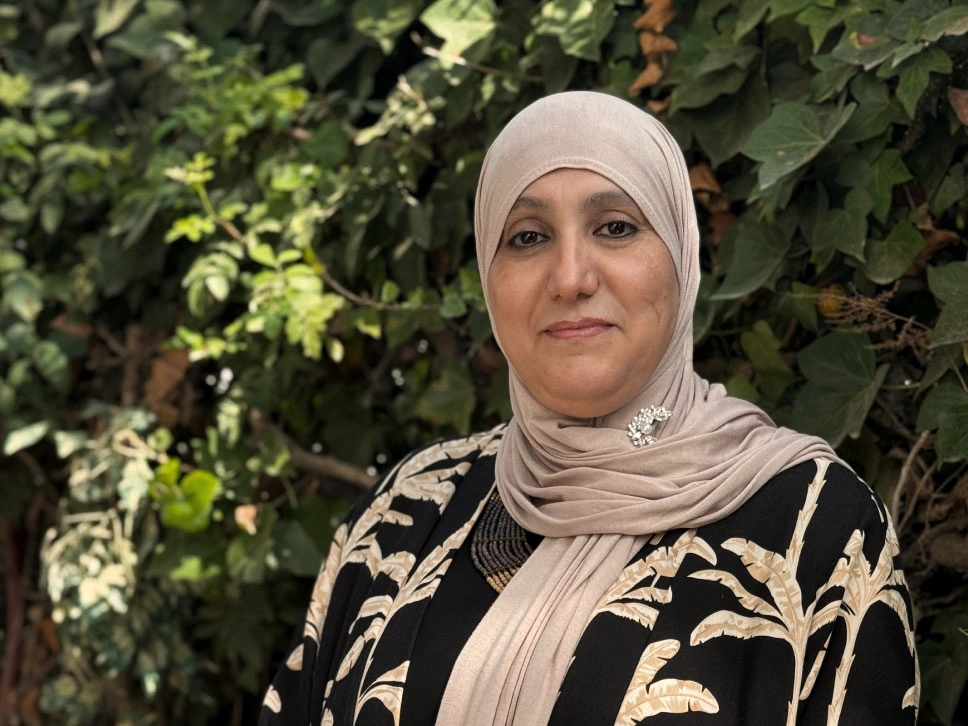
Dr. Hayate Koubri, Public Health Professor.
Nadia Mouchtak, one of Morocco’s most well-known psychologists based in Casablanca, is also part of the alliance. She describes a mental health system under strain — underfunded and overstretched — where people living with psychological trauma too often do not receive the care they need.
»Why did I join the coalition? Because unity creates strength. We work across different fields — mental health, sexual and reproductive health, psychiatry — and together we ensure a holistic response. I dream of a society where seeking psychological support is as natural as seeing a doctor for a broken arm«.
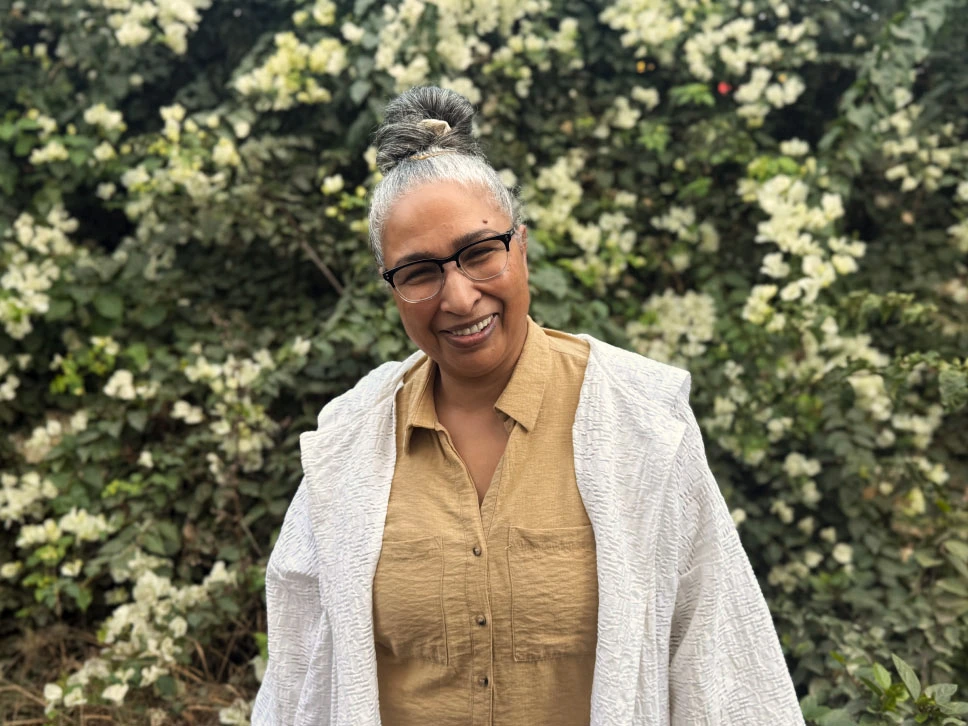
Nadia Mouchtak, psychologists based in Casablanca.
AMPF’s president, Khadija Ghalim, agrees:
»The diversity of the coalition is a strength. When we bring together organisations working across different thematic areas, we can reach a broader audience and create greater impact«.
For Khadija Ghalim, mental health is not a privilege it is a right:
»I am convinced that mental health is a fundamental human right. A person with sound mental health is a balanced individual who can contribute positively to society«.
Partner training
DIGNITY has trained a group of trainers from both CDR and AMPF, who coordinate the Al Amal Coalition. The trainers received instruction from DIGNITY in trauma-informed approaches and Psychological First Aid. They have subsequently trained members across the coalition, enabling staff in each organisation to provide Psychological First Aid to people in distress.
Back in Fez
From CDR’s office in Fez, Rihab Meziaty continues her work supporting vulnerable young people with experiences of violence, loss and stigma.
»Asking for help is not a sign of weakness, he says. »It is a courageous step toward change«
For Rihab Meziaty, the effort is not about quick fixes, but about creating spaces where young people, often for the first time, feel that they are taken seriously.
She has witnessed how psychological support can alter the trajectory of a young life.
One of those young people is Mohammed.
He grew up in a low-income neighbourhood in Fez and was exposed to physical — but primarily psychological — violence. For years, he lived with a persistent sense of exclusion.
»I felt like I didn’t belong anywhere«, Mohammed says.
Anxiety, loneliness and low self-esteem shaped his daily life.
»I saw the future as something vague, as if my opportunities were very limited«, he explains.
The turning point came when he connected with a staff member from CDR.
»They listened to me with respect. For the first time, I felt safe and like a person with value«, Mohammed recalls.
In addition to receiving support, he later completed training in Psychological First Aid himself.
»It gave me practical tools to support others in similar situations. It opened new perspectives and gave me confidence that I, too, can make a positive difference«.
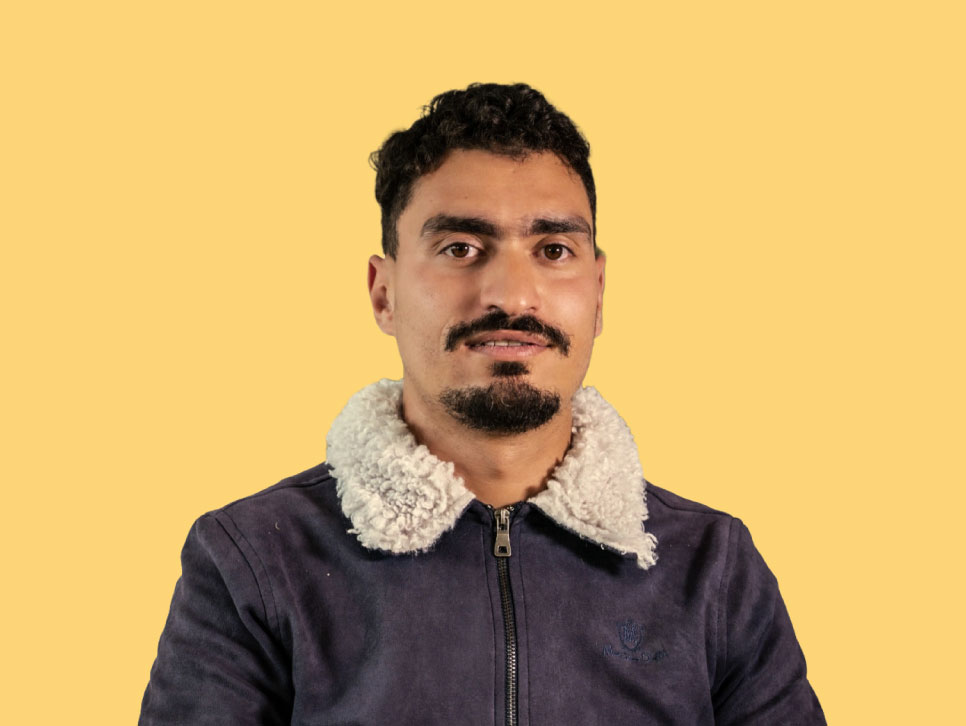
»Asking for help is not a sign of weakness«, says Mohammed from Fez.
Today, he is pursuing his studies, has set clear goals for his future, and is actively engaged in supporting other young people in Fez.
He also has a message for those who have experienced violence:
»Asking for help is not a sign of weakness, he says. »It is a courageous step toward change«.
SUPPORTED BY
DIGNITY’s work in Morocco is supported by the Danish-Arab Partnership Programme (DAPP), Denmark’s cooperation programme with the Middle East and North Africa.
Contact
Bryggervangen 55
2100 Copenhagen Ø
Tlf: +45 33 76 06 00
[email protected]
CVR: 69735118
EAN: 5790000278114
Konto: 4183 4310821209
Organisation
Related links
